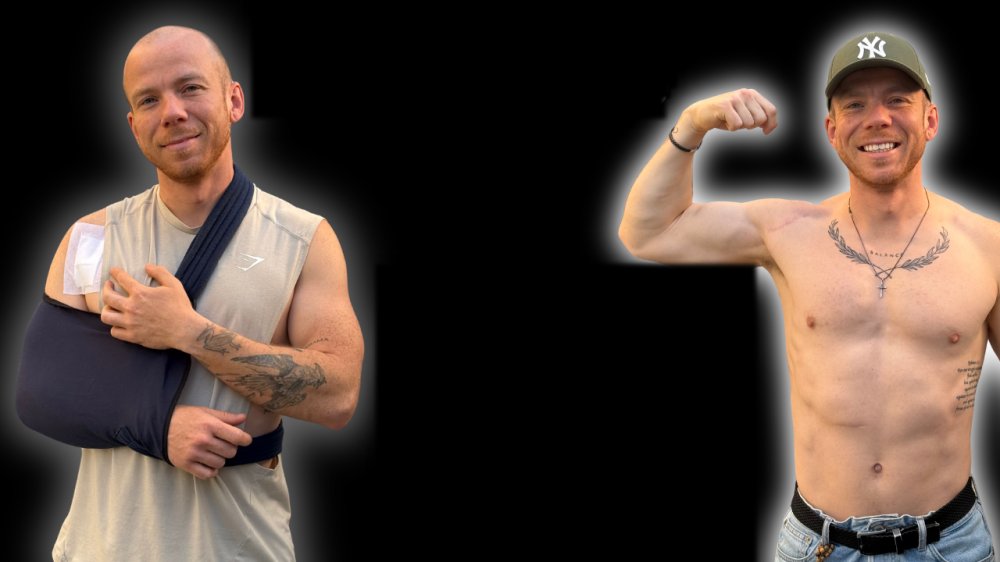
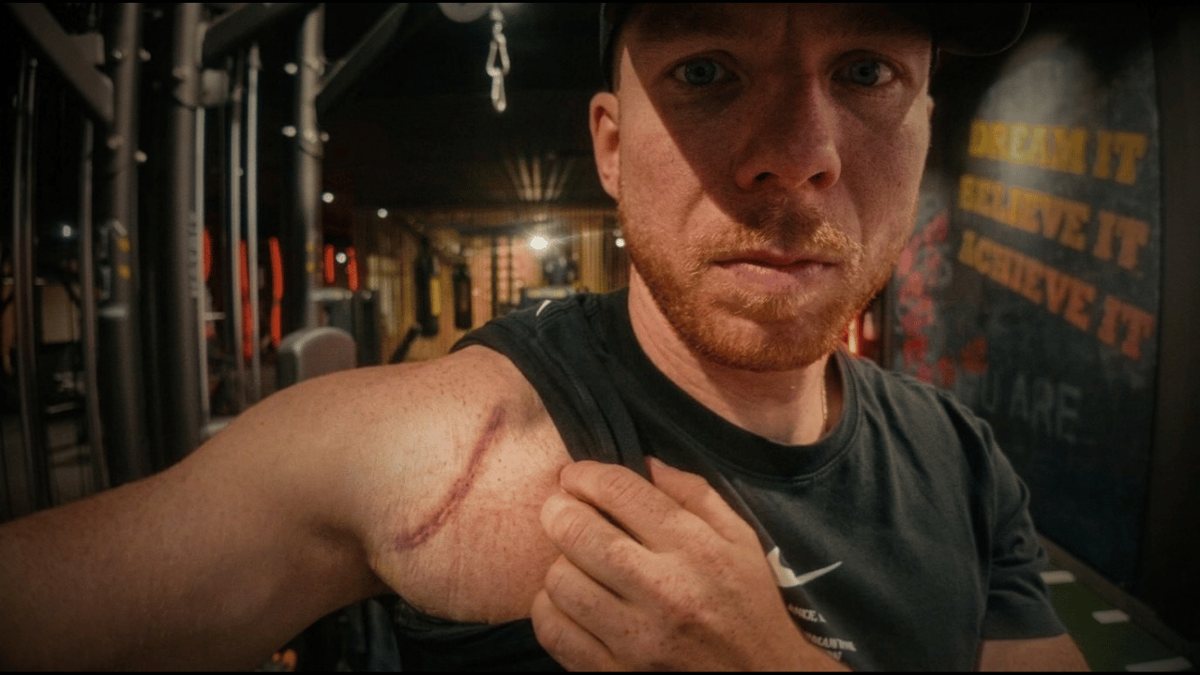
I had my Latarjet on 14 October. I'm now close to one year post surgery, and I'll say it straight away: I'm happy with the result, and I would do it again. Even with the nerve damage I went through in the first months.
This update covers where my shoulder is today, the small things I still notice, and the lessons I'd pass on to anyone who is planning the surgery or is in the middle of rehab.
My shoulder at twelve months
My range of motion is close to perfect. I'm missing a few degrees, but my shoulder was always more flexible than average, so in daily life I don't notice it.
What I can do at twelve months
The padel smash means a lot to me. Most of my subluxations before surgery happened during that exact movement. In the beginning after surgery I had to relearn it. I could feel something like bone on bone and I was a bit afraid. Now I smash at full power and it feels completely stable. I don't think about dislocations anymore.
I haven't gone back to jiu jitsu yet. I'm a white belt, and white belts make mistakes. I believe my shoulder would be fine, but I don't want to take unnecessary risks just to film it for you.
What still feels different
There are a few small things. None of them limit me in sport, but I want to be honest about them.
- Arm held up for a while. At my job as a postman I sort letters into a tall rack. After repeating that motion for a while, the shoulder feels tired and I shake it out.
- Phone to my ear. After 20 to 30 seconds it starts to feel a bit stiff. I mostly use earbuds now.
- Shaving my head. Same story. Arm up for a while means a short break.
- External rotation. This is still my weak spot. Band external rotations and face pulls are exercises I don't enjoy, because they hit exactly where I'm weakest. That's the reason to keep doing them.
My physio says there's still room for improvement if I keep doing my rehab exercises. To be honest, I sometimes skip them and just do my regular workouts. If you're further along in your recovery: don't stop the boring exercises too early.
Funny enough, these little things don't bother me. They're the only moments I even remember I had surgery. The rest of the time, my shoulder is just a shoulder again.
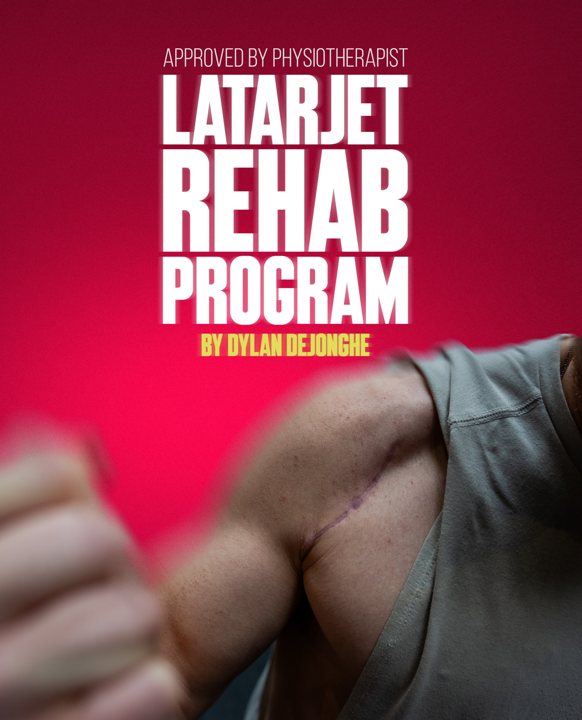
Physio approved video exercises for range of motion and strength, from the sling weeks to month six and beyond.
Lesson 1: use the Latarjet reset
For many people, the weeks after surgery are the first time in years they are forced to slow down. I call it the Latarjet reset. You suddenly have time to rethink your routines, your nutrition, your goals, your relationships.
You don't have to turn it into a self improvement project. I gamed and ate junk food too. But if you can, plan a few things before surgery: books to read, something to learn, a way to stay active within your limits.
Be ready for the mental side. For an active person, losing the use of your arm is tough. When my surgeon told me he didn't know if my nerve would recover, the voices in my head got loud. Being prepared for that fight helps you get through it.
Lesson 2: control what you can control
You can't control how fast your bone and tissue heal. You can control your reps, your food, your sleep and what you put in your body.
- Alcohol and smoking work against tissue healing. If quitting all at once isn't realistic, make a plan to cut down.
- Peptides. Some people at the gym told me to use them to heal faster. I asked my surgeon. He said they weren't needed and told me to trust the body's natural healing. I followed his advice and didn't use them. Talk to your own surgeon before you take anything.
- Basic supplements like magnesium and creatine were all I used.
Lesson 3: stop comparing
This is the big one. It's tempting to watch my videos and think: he was doing this after one week and I'm still in a sling at six weeks. Don't. Surgeons and physios use different protocols. Some are conservative and move slowly. Mine was aggressive and wanted full range of motion fast.
I'm grateful for that approach, because it worked for me. That doesn't make it the right one for you. Trust the protocol you've been given.
Lesson 4: speak up
Communication is key. With your surgeon, with your physio, with yourself. You're not less than a doctor. If something worries you, ask. My physio was young, very driven and did a lot of research. I believe my recovery taught him a few things too. Good physios keep learning, so share what you notice.
Complications are rare, but real
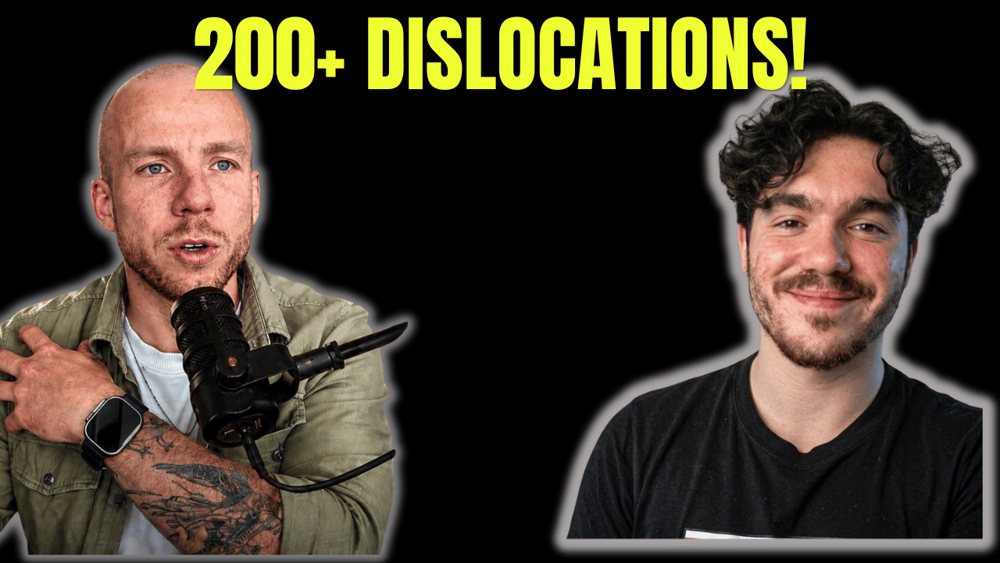
The Latarjet has a high success rate, but it isn't without risk. I had nerve damage after mine and recovered fully. Not everyone does. A professional hockey player I did a podcast with had nerve damage that didn't recover on its own. He needed a second surgery to examine the nerve and, if needed, bridge it with part of a nerve from the triceps.
I'm not saying this to scare you. Know the risks, ask your surgeon about them, and choose your surgeon carefully.
If you're struggling right now
You're not alone in this. Our WhatsApp group has around 140 people who have had a Latarjet or are about to. People there answer questions, share progress and support each other. It's free, and you're welcome.
Patients before and after surgery, sharing progress and answering questions.